ISO 9001 CERTIFIED · CONSULTANT APPROVED · EXPORTING SINCE 2005

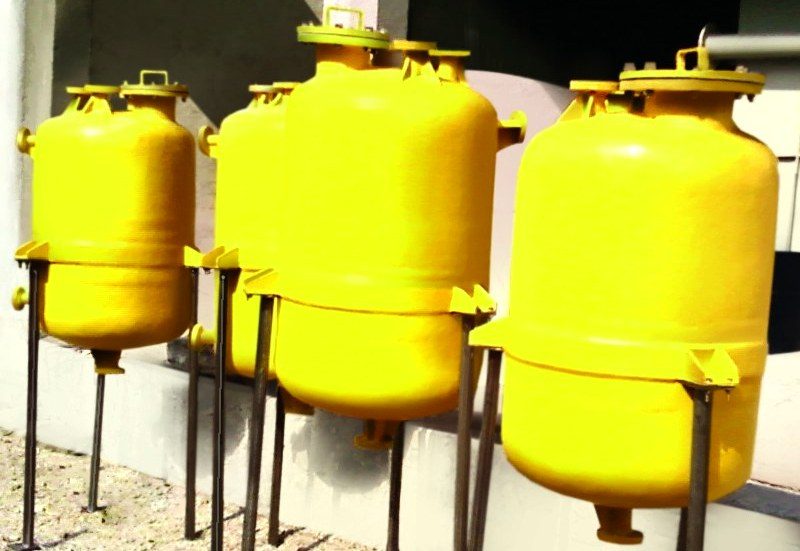
THERMOPLASTIC STRAINER
PROCESS EQUIPMENT · STRAINERS
Thermoplastic basket, Y-type and duplex strainers
Welded and machined from solid PP, PPH, PVDF and HDPE, for duties where a metal strainer would corrode and a cast body would be overkill. Built to match the line, not to a catalogue size.
PP · PPH
Homopolymer and copolymer polypropylene
PVDF
For the most aggressive services
HDPE
For effluent and alkali lines
BUILT TO DVS 2205 · EN 13121
01 — CONFIGURATIONS
Four bodies, chosen by line size and how often it fouls.
A strainer is the cheapest insurance on a recirculation line. The choice comes down to screen area, how easily the basket can be pulled, and whether the line can be stopped to clean it.
TYPE 01
Basket strainers
The workhorse. Large screen area and a basket that lifts straight out for cleaning.
HIGH SCREEN AREA
TYPE 02
Y-type strainers
Compact in-line protection where fouling is light and space is short.
IN-LINE
TYPE 03
T-type strainers
Straight-through flow with a side-removable element, for larger lines.
LOW PRESSURE DROP
TYPE 04
Duplex strainers
Two bodies and a changeover valve, so the line keeps running while one side is cleaned.
NO SHUTDOWN
02 — SPECIFICATION
The envelope, in numbers.
Every strainer is built to the line it sits in. Tell us the pipe size, the chemistry and the particle you are trying to catch.
PARAMETER
RANGE / CAPABILITY
Body materials
PP · PPH · PPC · PVDF · HDPE
Construction
Extrusion and hot-gas welded, machined seats
Line sizes
[confirm range]
End connections
Flanged, drilled to [confirm standard]
Screen
Perforated sheet or mesh, thermoplastic or stainless
Screen opening
Selected to the particle being removed
Design pressure
[confirm rating]
Design temperature
[confirm limit]
Fittings
Drain, vent and differential pressure tappings
Values in square brackets are placeholders for your engineering team to confirm. Every unit is sized against the actual duty.
03 — APPLICATIONS
Where a strainer earns its place
Scrubber recirculation
Protecting pumps and spray nozzles from packing debris and solids
Chemical transfer
Acid, alkali and solvent transfer lines between tanks
Surface finishing
Plating, anodising and etching bath circulation
Water and effluent
ETP, RO pre-filtration and scrubber blowdown
04 — HOW WE SIZE IT
Four things decide a strainer.
The particle, not the pipe. Screen opening is set by what you need to catch, and screen area by how much of it arrives.
Allowable pressure drop. A clean strainer should barely register. Size the area so a dirty one still does not starve the pump.
Chemistry and temperature. PP for general acid and alkali duty, PVDF where the service is aggressive, HDPE for effluent.
How it will be cleaned. If the line cannot stop, a duplex body pays for itself the first time it is needed.
TO QUOTE, SEND US
Line size and flow rate
Fluid, concentration and temperature
Particle type and size to be removed
Allowable pressure drop
Whether the line can be shut to clean
Start an enquiry
Fluid, concentration and temperature
Particle type and size to be removed
Allowable pressure drop
Whether the line can be shut to clean
05 — CONSTRUCTION
How a thermoplastic strainer is built
01
Welded body
Extrusion and hot-gas welded from solid thermoplastic sheet and rod, not cast.
02
Removable element
Basket or screen that lifts out without breaking the line.
03
Sealing face
Machined seat and a gasket chosen for the service chemistry.
04
Drain and vent
So the body can be emptied before the cover comes off.
05
Differential pressure tappings
So operators can see the screen fouling before the pump does.
REFERENCE INSTALLATION
PP · PVDF
SUPPLIED WITH SCRUBBING PACKAGES
Recirculation line protection
Strainers supplied alongside scrubber recirculation tanks and pumps, matched to the line and the liquor.
06 — IN SERVICE
Units we have built and commissioned
THERMOPLASTIC FABRICATION
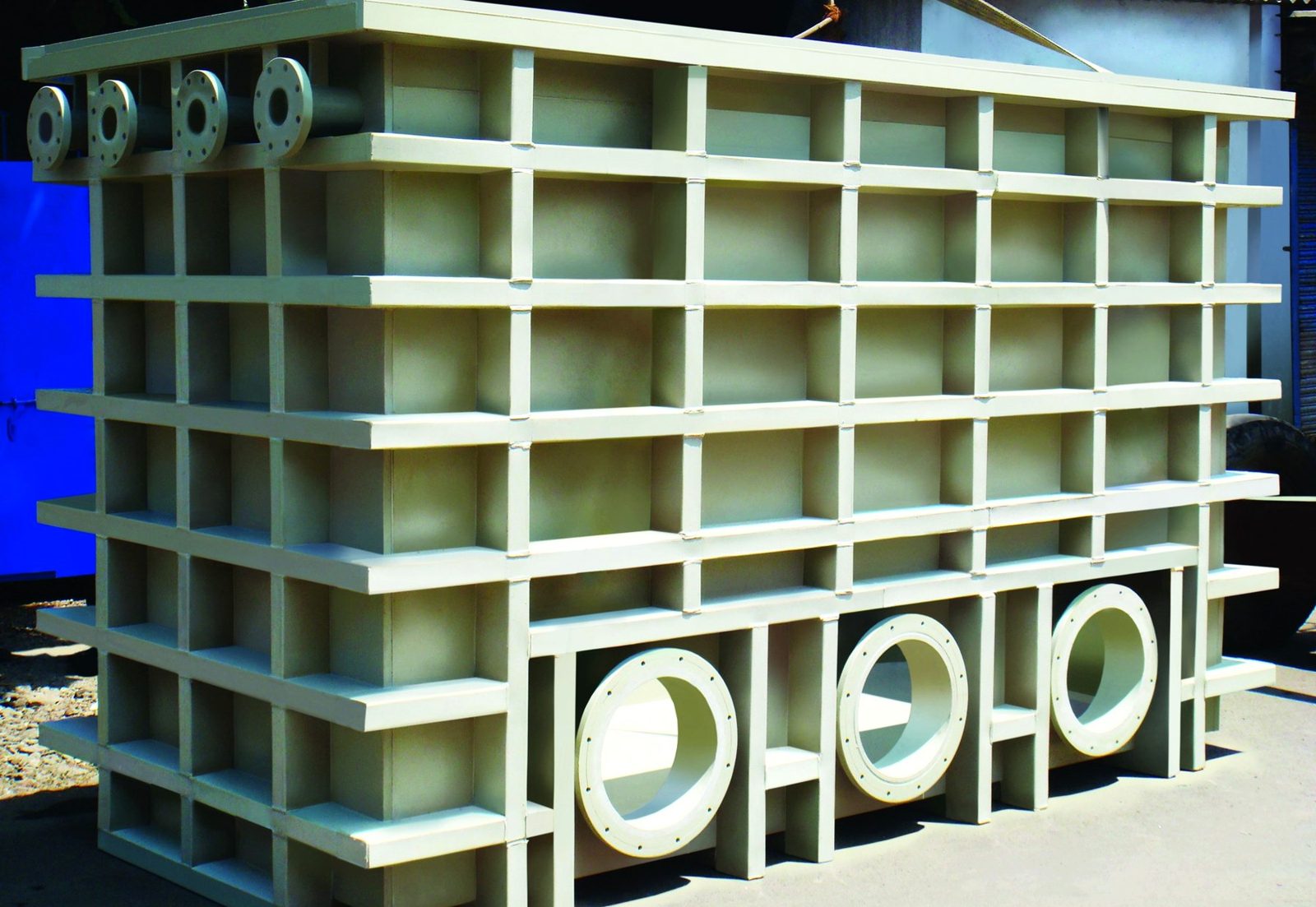
WELDED THERMOPLASTIC WORK
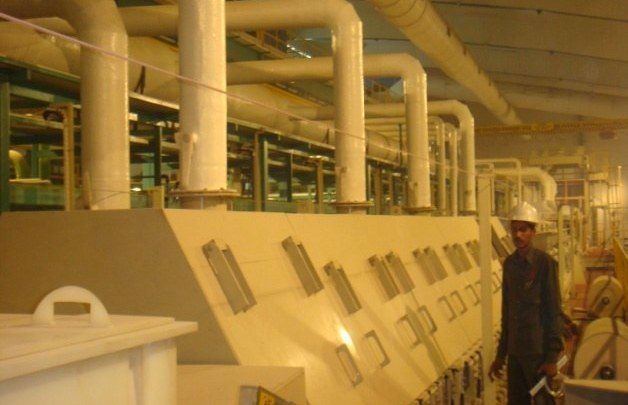
MANKOLI FABRICATION BAY
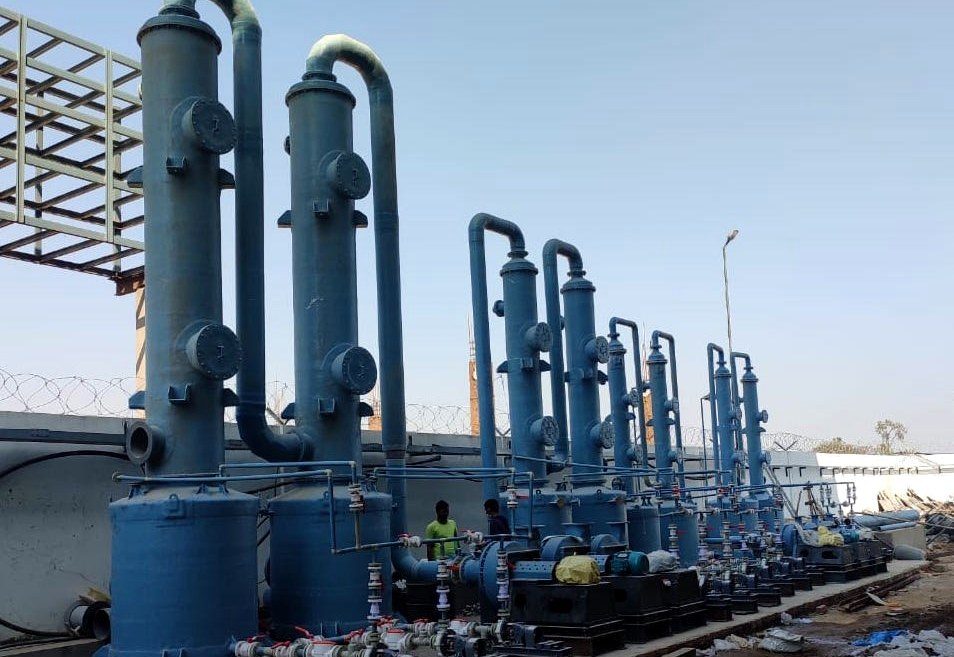
RECIRCULATION PACKAGE
07 — QUESTIONS
What engineers ask us first
These answers are also written for search. Each question is a query buyers type into Google, which is why the FAQ block sits on every equipment page.
Why thermoplastic rather than cast iron or stainless?+
For acid, chloride and alkali service, a metal strainer corrodes at the seat and the screen first. A welded thermoplastic body avoids that and weighs a fraction as much.
Basket or Y-type?+
A basket gives far more screen area and is easier to clean, so it suits anything that fouls. A Y-type is compact and fine where solids are light.
Can you match an existing flange drilling?+
Yes. Tell us the standard and the line size, and the strainer is built to suit.
Do you supply the screens as spares?+
Yes, for any strainer we have built, with the original screen specification on file.
ENQUIRY
Pick the equipment. We will send you the data sheet.
Choose the equipment you need. We will take three details, then send you the enquiry data sheet for that product — the one our engineers use to size and quote.
Already know what you need? Download data sheets directly
ENQUIRY DATA SHEET
Scrubbing systems
The sheet arrives by email immediately. Fill it in and send it back, and an engineer replies with a sized proposal.
RELATED EQUIPMENT
Bhavi Plast
FRP and dual-laminate process equipment, engineered, built, installed and maintained under one contract. Established 1977.
EQUIPMENT
APPLICATIONS
HCl fume scrubbing
Cl₂ and NH₃ scrubbing
H₂SO₄ mist removal
Flue gas desulphurisation
Pickling line exhaust
Solar PV and semiconductor exhaust
Cl₂ and NH₃ scrubbing
H₂SO₄ mist removal
Flue gas desulphurisation
Pickling line exhaust
Solar PV and semiconductor exhaust
CONTACT
603 Dev Corpora, Cadbury Junction,
Khopat, Thane (W) 400 601
Maharashtra, India
Plant — Mankoli, Bhiwandi
+91 22 4970 9140
mb@bhaviplast.com / jm@bhaviplast.com
Khopat, Thane (W) 400 601
Maharashtra, India
Plant — Mankoli, Bhiwandi
+91 22 4970 9140
mb@bhaviplast.com / jm@bhaviplast.com
© 2026 BHAVI PLAST PRIVATE LIMITED
PRIVACY · TERMS · HSE POLICY · SITEMAP